UAE Infrastructure & Mobility
Dubai-Abu Dhabi in 30 Minutes: How High Speed Rail Could Completely Redesign Corporate Transportation in the UAE
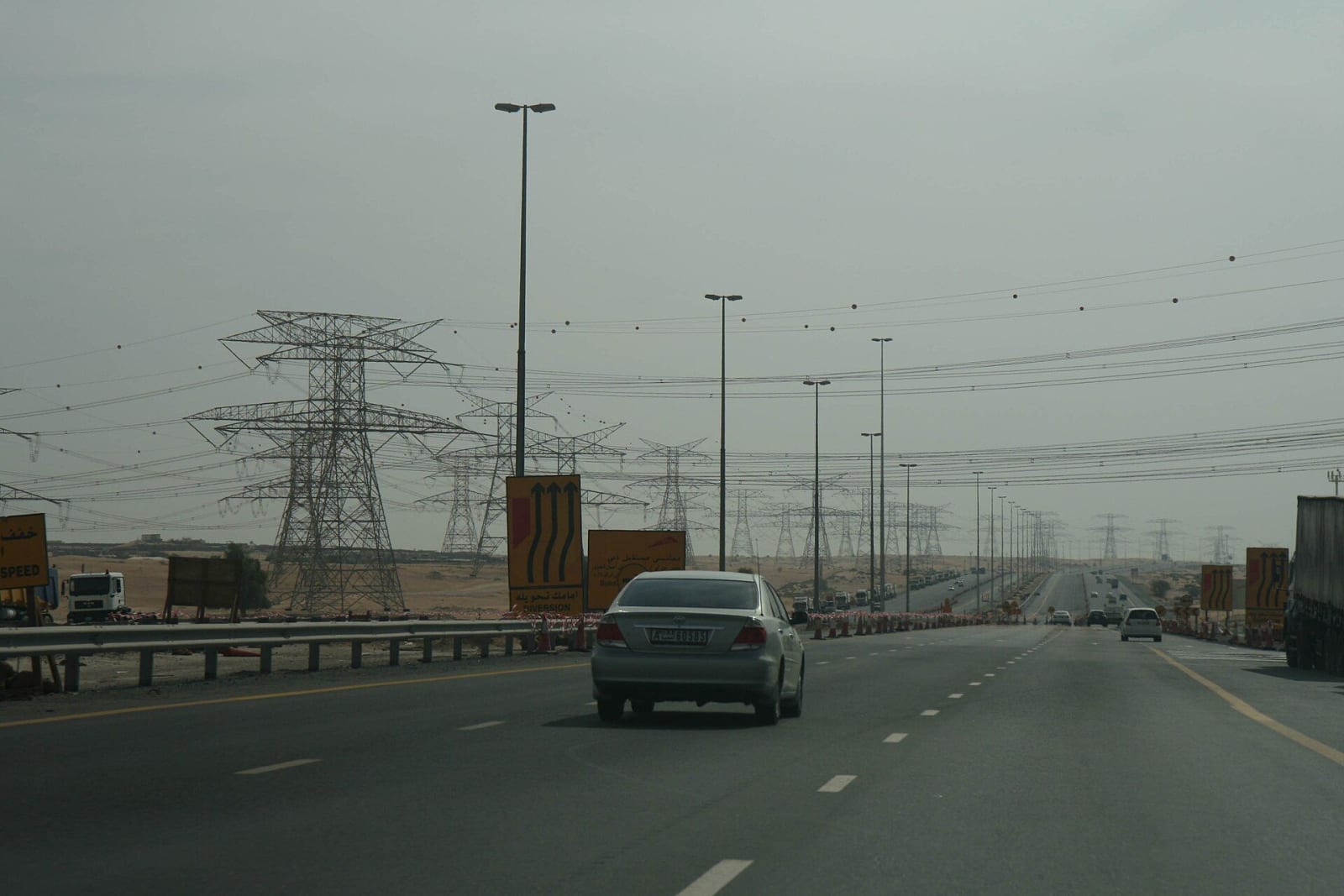
There's a version of this story that gets written every time a fast train gets announced somewhere in the world: commentators ask whether people will simply stop driving between the two cities it connects. That's the wrong question for Dubai and Abu Dhabi, and it's worth explaining why before getting into what actually matters here.
Etihad Rail has announced a dedicated, electrified high speed rail line between Abu Dhabi and Dubai, designed for speeds of up to 350 kilometres an hour and a journey of roughly 30 minutes. This is currently under construction, targeted for completion around 2030, with no confirmed opening date yet. It's a real, funded project, not a concept, but it's also genuinely years away, which matters for how seriously and how urgently operators should be thinking about it right now.
Why "will people stop driving" is the wrong question
The interesting question isn't whether people will stop driving to Abu Dhabi once a 30 minute train exists. Some will, certainly, particularly for business trips where speed matters more than flexibility. But the more consequential question, the one that actually determines what happens to the passenger transport industry, is different: what happens to corporate transportation once the two hour road journey between Dubai and Abu Dhabi becomes a 30 minute rail journey instead?
That's not a question about whether cars disappear. It's a question about what an entire category of business, corporate travel, executive transport, inter emirate commuting, looks like once the core assumption underneath it, that this trip takes roughly two hours by road, simply stops being true.
What actually changes when travel time drops this much
A two hour journey and a 30 minute journey are not the same category of trip, psychologically or practically, even when they connect the same two points. A two hour trip is a half day commitment, something you plan around, build meetings around, and generally try to minimize the frequency of. A 30 minute trip is closer to a local commute, something that barely disrupts a working day and can realistically happen multiple times if needed.
This changes corporate behavior in ways that ripple directly into transport demand. Companies currently avoiding daily Dubai to Abu Dhabi commuting, because a four hour round trip by road is a genuine burden, may become considerably more willing to have staff split time between offices in both cities once that round trip drops to an hour. Businesses that currently treat Abu Dhabi meetings as full day commitments requiring an overnight stay may start treating them as same day trips instead. Executive and corporate travel patterns shift toward more frequent, shorter engagements between the two cities rather than infrequent, longer ones.
Every one of these shifts creates new transport demand, just not necessarily the same shape of demand that exists today.
The emerging journey structure
Picture what a typical trip looks like once this line is running. An employee leaves their residence in Dubai, gets picked up for a short local transfer to the high speed rail station. The train covers the long distance segment, Dubai to Abu Dhabi, in around 30 minutes. On arrival, another vehicle handles the final leg to wherever they're actually going, whether that's ADGM, Yas Island, Mussafah, or a specific office.
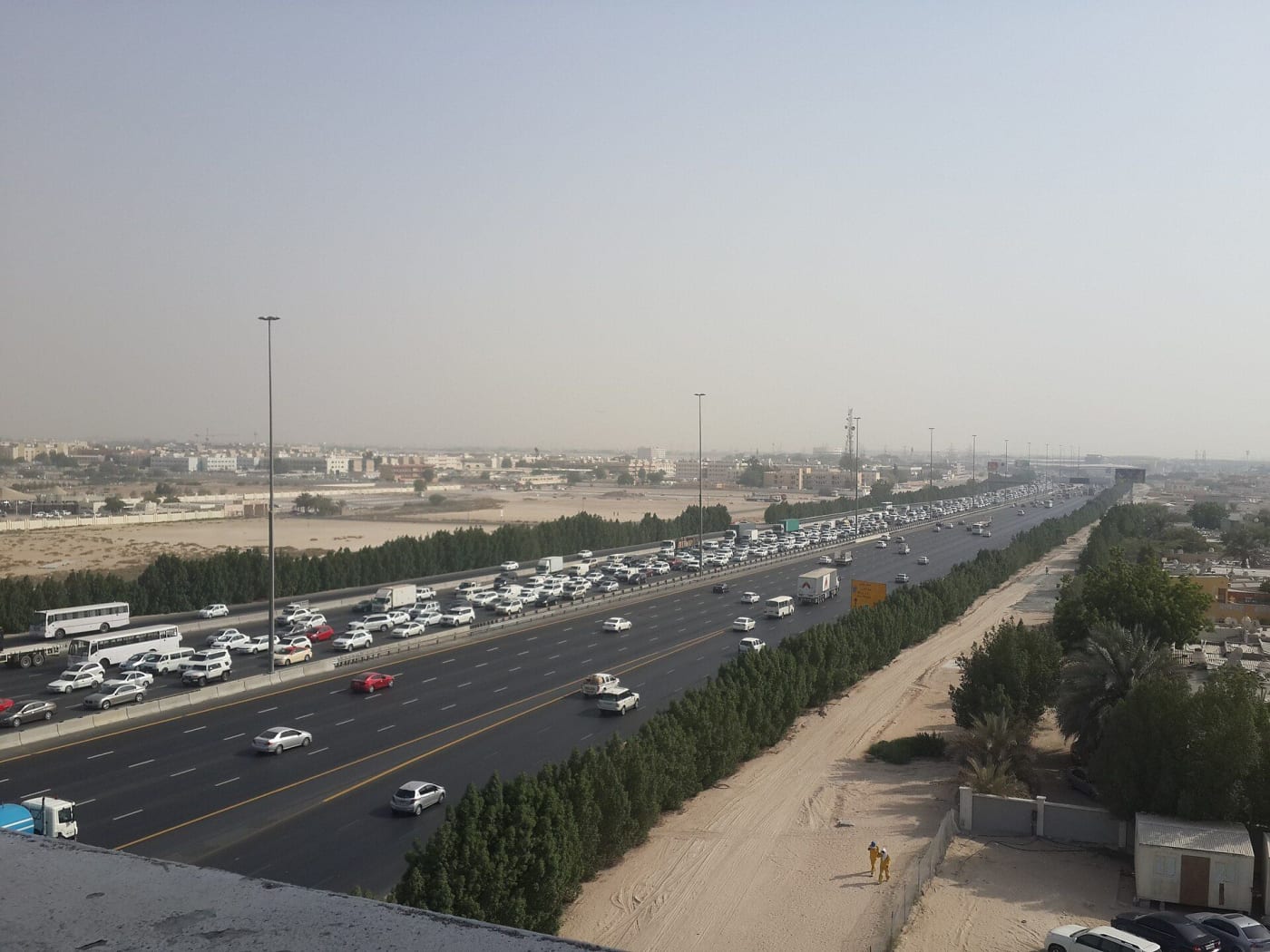
This is the same structural pattern already emerging around Etihad Rail's national network and Dubai's own Metro Blue Line, just applied to the single highest volume inter emirate corridor in the country. Two short, local transport legs bookending one fast rail segment, rather than one long single vehicle journey covering the whole distance.
Why this corridor specifically matters so much
Dubai to Abu Dhabi is arguably the single most important inter emirate corridor in the UAE for business travel. It's the connection between the country's largest commercial hub and its capital, carrying an enormous volume of corporate, government, and executive movement every single day. A meaningful change to how that specific journey works has outsized importance compared to almost any other route in the country.
For passenger transport companies, this means the stakes of getting positioned correctly for this shift are higher than for most other infrastructure changes discussed in this series. This isn't a secondary corridor or a specific district, it's the corridor, and the volume of transport demand that touches it, directly or indirectly, is substantial.
What mobility as a service actually means here
This project is a genuinely useful lens for understanding a concept that gets talked about a lot in transport circles but rarely gets a concrete example: mobility as a service, where a single provider takes responsibility for an entire journey rather than just one leg of it.
Under the current model, a transport company provides a vehicle for a single leg, the entire Dubai to Abu Dhabi drive. Under a mobility as a service model built around high speed rail, a transport company could instead take responsibility for the complete journey, arranging the local pickup, the rail booking, and the final leg, presenting the customer with one seamless itinerary rather than something they have to coordinate themselves across multiple providers.
This is a meaningfully different, and in many ways more valuable, service to offer. It's also a natural evolution for operators who are already comfortable managing complex logistics, vehicle assignment, scheduling, customer communication, since coordinating a rail connection into that same framework is an extension of skills the business already has, not an entirely new competency.
Positioning now for something years away
Given the current lack of a confirmed opening date, it would be reasonable to ask why this deserves attention now rather than closer to launch. The answer is that corporate transport contracts, particularly the larger ones involving daily executive or staff movement between Dubai and Abu Dhabi, tend to be relationship driven and renewed over multi year cycles. An operator who starts having conversations with major corporate clients now about how their inter emirate transport needs might evolve once high speed rail arrives is building a relationship and a reputation for forward thinking that pays off well before the line actually opens.
There's also a practical planning benefit to starting early. Understanding your current cost and route structure on Dubai to Abu Dhabi trips today gives you a clear baseline to compare against once more details about the rail project, station locations, and timing become available. Waiting until the project is close to completion to start this analysis means doing it under time pressure, competing against operators who started thinking about it years earlier.
How TransLogix supports this kind of forward planning
Route orchestration across multiple legs, scheduled transfers tied to fixed timetables, and corporate travel agreements that span an entire journey rather than a single trip are exactly the kind of capability TransLogix is built around. As this project moves closer to a confirmed opening date and station locations become clearer, the same route level cost and scheduling data operators already use for existing routes becomes the foundation for planning and pricing multi leg journeys built around high speed rail.
Station pickup alerts, integrated billing across a full journey, and the ability to manage vehicle and driver assignment on both ends of a rail segment are the practical building blocks this kind of service requires, and they're extensions of capabilities the platform already provides for existing recurring routes.
What to watch for as this project develops
A few specific signals are worth tracking over the coming years as this project moves from construction toward completion, since each one meaningfully changes how operators should be planning around it.
Confirmed station locations in both Dubai and Abu Dhabi will matter enormously, since the exact positioning determines which existing transport routes become natural feeder candidates and which businesses and residential areas sit closest to each end of the line. A confirmed opening date, once announced, will set a real timeline for when corporate clients start actively planning around this option rather than treating it as a distant possibility. Any announcements about integration with existing transport, similar to the taxi, bus, and first mile partnerships already built around Etihad Rail's national network, will signal how open the door is for established transport operators to participate directly in the ecosystem around the stations rather than simply reacting to it from outside.
Operators who track these signals as they emerge, rather than waiting for a single opening day announcement, will have considerably more lead time to prepare than those who treat this as a future problem with no near term relevance.
The bottom line
A 30 minute rail journey between Dubai and Abu Dhabi is still years from opening, but the shift it represents, from a two hour road trip being the default option to a 30 minute rail journey being the norm, is significant enough that it's worth understanding well before it arrives.
The real opportunity isn't in worrying about losing the long distance drive. It's in recognizing that corporate transport between the UAE's two largest business centres is about to become dramatically more frequent and more valuable as a category, and positioning your business now to be the operator who manages that complete journey when it does.
Want to see how TransLogix handles this for your fleet?