Infrastructure & Mobility
Electric Bus Depot Planning in the GCC Start With the Duty and the Power Supply
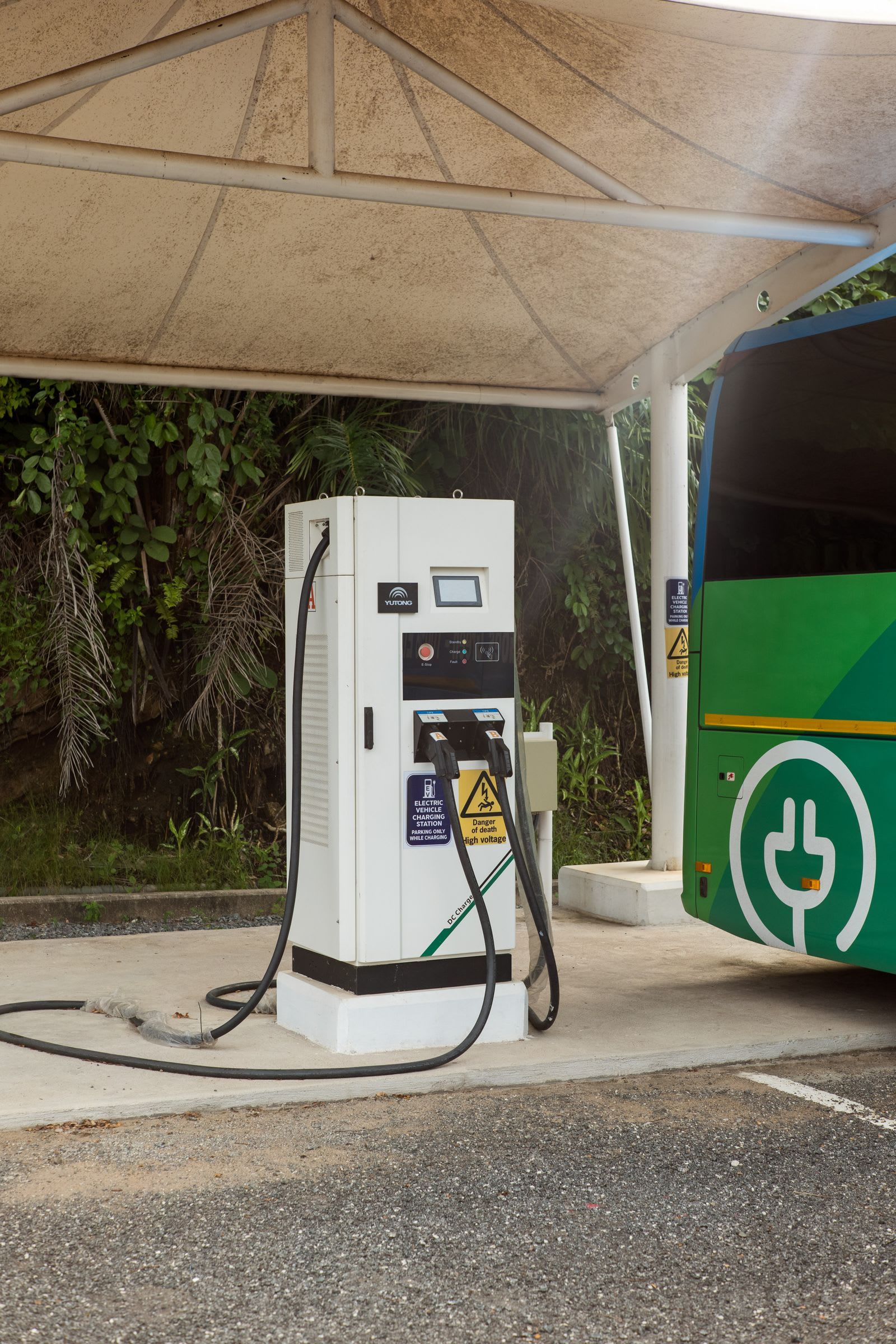
An electric bus quotation can arrive long before the depot is ready to charge it. The vehicle's advertised range looks adequate, but the fleet returns within a narrow window and the site cannot support all the chargers operating together.
Ordering vehicles before checking the depot can leave a fleet with too little charging time or power. Test actual duty energy, charging windows, site capacity and backup arrangements before committing to equipment.
For GCC passenger transport operators, this study should use local operating conditions and qualified engineering advice. A manufacturer's headline range or an overseas electricity tariff cannot establish whether a particular UAE depot will work.
Start with the actual vehicle day
Map each candidate duty from depot departure to return. Include passenger movements, repositioning, waiting and any additional work. Identify where the vehicle can charge and how long it is genuinely available.
Collect representative energy data from trials or a properly supported vehicle assessment. Cabin cooling, traffic, terrain, loading and driving conditions can affect energy use. Avoid applying a single assumed consumption figure to every route without validation.
The national laboratory's charging infrastructure tools address the relationship between vehicle demand, charging equipment and site planning. The useful lesson is to model the operating system around the vehicle, not to select charger numbers in isolation.
Calculate energy and power as different quantities
Energy is the amount that must be delivered. Power is the rate at which it can be delivered. A depot can have enough hours on paper but still need more electrical capacity than the site supports.
Consider an illustrative fleet of ten buses, each needing 160 kWh restored to its battery overnight. That is 1,600 kWh of battery energy. Assuming 90 percent overall charging efficiency solely for this example, the grid must supply about 1,778 kWh.
Across an eight hour window, the average grid power is approximately 222 kW before other depot loads. This is not the required charger nameplate capacity or a final electrical design. Actual charging profiles, simultaneous demand, vehicle limits and reserve margins can change the installation.
The laboratory's electricity cost methodology also recognises charging losses and infrastructure costs. Local tariffs, connection conditions and engineering requirements must be assessed separately.
Check the site before ordering equipment
Ask the relevant utility and qualified electrical professionals about available capacity, connection works, approvals and lead times. Review the existing depot load as well as proposed charging.
Consider physical layout, safe vehicle movement, cable management, drainage, equipment protection, maintenance access and emergency arrangements. Chargers must fit an operating depot, not just a drawing with empty parking spaces.
Confirm who owns the premises and how long the operator can use them. A substantial charging investment may be difficult to justify on a site with uncertain tenure or restrictions on electrical alterations.
Build a charging schedule around departures
The bus returning first does not always need priority. A later arrival may have an earlier departure or a more demanding duty the next day.
Create a schedule using arrival time, required departure, current state of charge and required energy. Include practical time for connecting, checks and vehicle movement. Review whether the schedule still works when a bus returns late.
Do not count a charging slot as available if another vehicle blocks access or if the driver and depot team cannot perform the handover. Operational details can constrain capacity just as much as the electrical supply.
Test one charger being unavailable
A depot plan that works only when every charger and bus behaves perfectly is fragile. Model an equipment outage, a delayed return and a higher than expected energy requirement.
Decide which duties would be protected, how a vehicle would be reassigned and whether a compatible reserve arrangement exists. Confirm any external charging option before treating it as backup; access, connector compatibility, capacity and commercial terms all matter.
The appropriate reserve depends on service criticality and the fleet's operating pattern. It should be a deliberate decision rather than an unpriced assumption.
Compare the whole cost over the same period
Include vehicles, chargers, connection works, civil works, maintenance, energy, training, insurance and the operational effect of charging time. Consider warranties and expected battery performance using supplier evidence and expert advice.
Compare alternatives over a consistent ownership or contract period. State the assumptions that could change the result, such as annual distance, energy cost, asset life and residual value.
Avoid promising a universal percentage saving or describing an electric bus as having no operating emissions of any kind. Tailpipe performance, electricity generation and lifecycle effects are different measures.
Keep the commercial contract aligned
If the customer requires a particular vehicle technology, clarify when it must be available, what happens during outages and whether a substitute is acceptable. Ensure the service price supports the actual resource and infrastructure commitment.
TransLogix can organise the customer agreement, fleet records and scheduled duties that feed this analysis. Specialist energy modelling, charging control and utility integration should be assessed separately. A dispatch platform is not automatically a depot energy management system.
Our explanation of integrated passenger transport operations provides the wider management context. Electrification adds a new constraint that must be represented in those operations.
Make a staged decision
Begin with a representative duty and a limited trial. Compare measured energy and charging behaviour with the model, then update the design before committing the wider fleet.
Record the conditions of the trial. A successful short route in mild weather does not validate the longest summer duty. Use the evidence to decide which routes are suitable first and which need further work.
Should charger quantity equal bus quantity?
Not automatically. The answer depends on arrival patterns, energy requirements, available time, charger capability and resilience needs.
What should be resolved first?
Confirm the duty requirements and whether the site can provide a feasible, approved charging arrangement. Vehicle selection and infrastructure planning should progress together.
The strongest electric fleet plan is one that can explain tomorrow morning's departures after an imperfect night. That is the test that turns an attractive vehicle proposal into a dependable transport service.
Want to see how TransLogix handles this for your fleet?