Infrastructure & Mobility
Etihad Rail Is Coming to Dubai: What the 30 September 2026 Launch Means for UAE Passenger Transport Companies
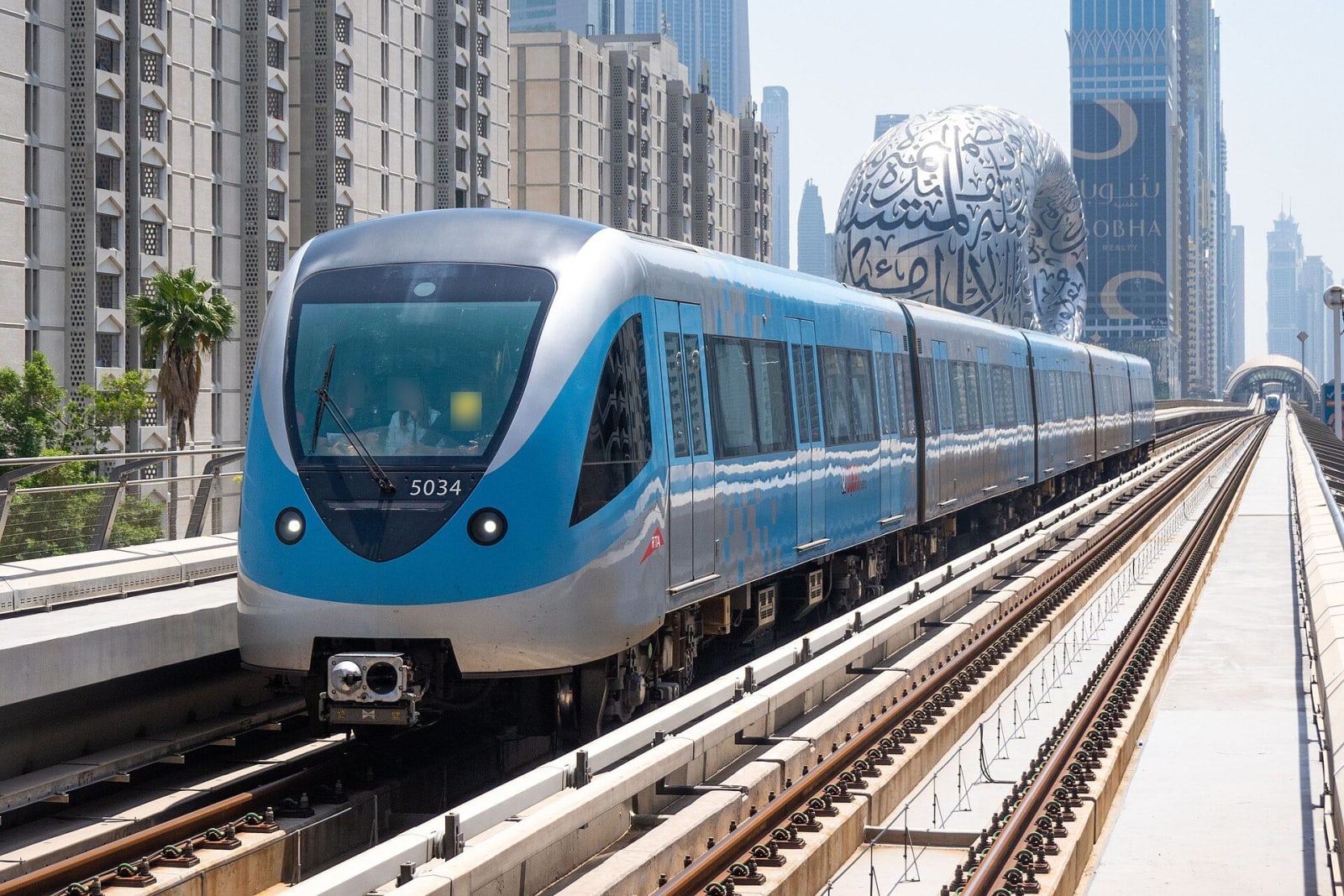
On September 30, 2026, Dubai gets its first Etihad Rail passenger station. It's called Al Yalayis Station, it sits inside Jumeirah Golf Estates right along Sheikh Mohammed Bin Zayed Road, and it will be close enough to the existing Dubai Metro station there that RTA is building a footbridge to physically connect the two, just a four minute walk apart.
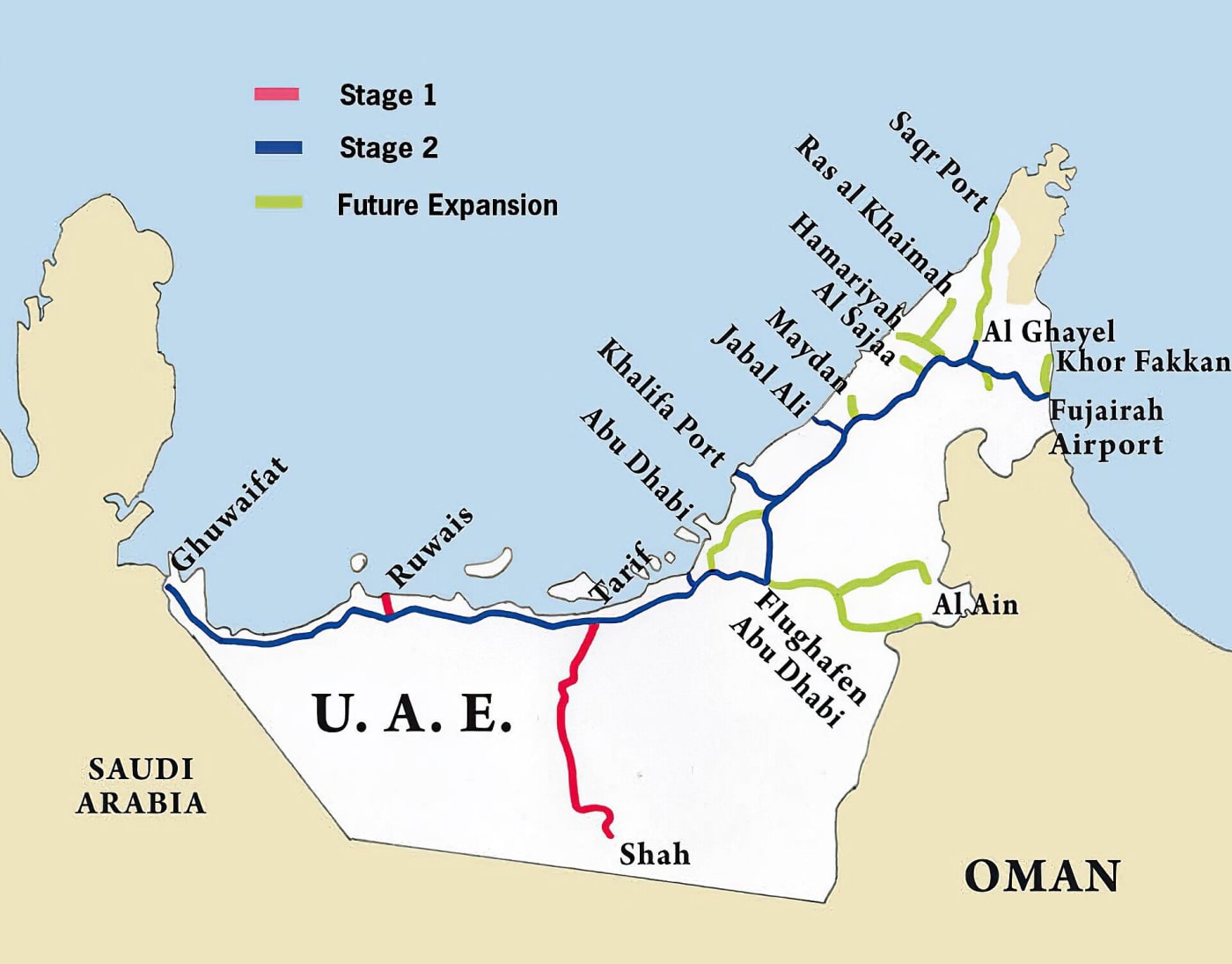
Al Dhaid station in Sharjah opens the same day. The Al Dhafra region stations follow on December 30, and Sharjah city itself joins the network on March 30, 2027. This all builds on the introductory Abu Dhabi to Fujairah service that already launched back on June 30, a 1 hour 45 minute journey that gave the country its first real taste of intercity passenger rail.
If you run a passenger transport company anywhere in the UAE, the natural first reaction to a new train line is some version of "does this take business away from me." It's the wrong question. The right one is: what happens to demand for passenger transport once a train station exists where one didn't before.
Rail doesn't replace the need for a vehicle, it moves where that need shows up
Nobody boards a train from their living room. Every single passenger who uses Al Yalayis Station needs to get from wherever they actually are to that specific point along Sheikh Mohammed Bin Zayed Road, and then, once they arrive at their destination station, they need to get from there to wherever they're actually going.
That's not a smaller transport problem than what exists today. In some ways it's a more structured one, because instead of one long, unpredictable point to point journey, you now have two shorter, much more predictable trips: home or office to station, and station to final destination.
Predictable, repeatable trips are exactly the kind of business a passenger transport company can build a reliable operation around. A corporate contract to move fifty employees from their offices to a station every morning at 7am is a far easier thing to staff, price, and run well than an inconsistent stream of one off long distance bookings.
What actually opens up around a station
Once you start looking at Al Yalayis Station as a hub rather than a threat, a fairly obvious list of opportunities appears.
Office to station shuttles for companies whose staff want to use the train for the Dubai to Sharjah leg of their commute, particularly once Sharjah joins the network next March and the corridor becomes genuinely useful for daily commuting rather than just occasional travel.
Hotel to station transfers for guests who'd rather experience a comfortable rail journey through the middle of their trip than sit in a car the whole way, especially as awareness of the service grows through 2027.
Labour accommodation to station routes, which matter enormously given how much of the UAE's transport demand comes from moving large numbers of workers on fixed schedules, and a train station near a major work hub is a natural anchor point for that kind of service.
Station to industrial area connections, since Al Yalayis sits along Sheikh Mohammed Bin Zayed Road, which runs past a significant amount of industrial and logistics activity that a well timed shuttle service could serve efficiently.
And station to final customer destination trips generally, covering everyone who arrives by rail and needs a last leg to an office, a hotel, an event, or a meeting that isn't within comfortable walking distance.
The passenger experience angle matters too
There's a customer side to this worth thinking through as well, not just an operator side. Right now, someone travelling between, say, Dubai and Fujairah has to either drive the whole distance themselves or book a car for the entire trip. Once rail is genuinely available end to end, the appealing option becomes a short, pre booked vehicle to the station, a comfortable train journey for the long middle stretch, and another short, pre booked vehicle at the other end.
That's a meaningfully better experience for a lot of travellers, corporate staff on a work trip, tourists heading to Fujairah's coast, families visiting relatives across emirates, and it only works if the first and last mile legs are actually easy to book and reliable. That reliability piece is where a transport company either earns repeat business or loses the customer to whoever else is willing to solve that problem better.
Why this is exactly the moment to build a feeder route
The instinct for a lot of operators will be to wait and see how much demand actually shows up once Al Yalayis Station opens before committing to anything. That's understandable, but it also means watching whoever moves first capture the corporate contracts, the hotel partnerships, and the recognition as "the company that already runs the Etihad Rail feeder service" while everyone else is still deciding whether it's worth trying.
A recurring feeder route built around a train station is a genuinely different kind of product from a standard point to point booking, and it's worth setting up properly rather than treating it as an afterthought. The schedule needs to be built around actual train arrival and departure times, not just a rough estimate of when passengers might show up. Vehicle and driver assignment needs to account for the fact that a delayed train means a driver waiting rather than a missed pickup entirely. And the whole arrangement needs to be easy for a corporate client to set up once and trust to keep running, rather than something that needs manual coordination every single week.
What we already know from the Abu Dhabi to Fujairah launch
The introductory service running since June gives a useful preview of how this is likely to play out. Tickets on that route start from 55 dirhams in Comfort Class and 120 dirhams in Premium Class, running on a fleet of 13 trains carrying up to 400 passengers each. Pricing at that level puts rail firmly within reach of a wide range of travellers, not just a premium niche, which matters because it suggests real volume rather than a token service.
A train carrying up to 400 people arriving at a station is a very different first and last mile problem than a handful of passengers trickling in throughout the day. It means demand for feeder transport will likely arrive in bursts tied to specific arrival times, which is exactly the kind of pattern a well planned shuttle schedule handles far better than an ad hoc pickup arrangement ever could.
What getting this wrong looks like
It's worth being honest about the failure mode here, because it's an easy one to fall into. An operator who treats the train's arrival as "someone will probably need a ride, we'll figure it out when it happens" ends up with drivers guessing when to show up, passengers waiting around after a long journey with no clear pickup arranged, and a service that feels chaotic exactly at the moment a traveller most wants things to feel smooth and well organised.
That's the opposite of what makes a feeder service valuable in the first place. The entire appeal, for both a corporate client setting this up and the individual travellers using it, is that the connection at each end feels as reliable and well timed as the train journey itself. Get that wrong in the first few months after a station opens, and the reputation is hard to undo, particularly with corporate clients who talk to each other and compare notes on which operators are actually dependable.
What to do before September 30
The station opens in less than two weeks from most points in this conversation, which doesn't leave much time to build something from scratch, but it's enough time to start positioning.
Reach out now to any corporate clients, hotels, or logistics partners near Sheikh Mohammed Bin Zayed Road or with existing routes toward Sharjah or Fujairah, and raise the idea of a dedicated feeder service before they've had time to ask a competitor first. Map out what a realistic schedule looks like against the train's actual timetable once it's published, so you're ready to quote a real service rather than a rough guess. And think through vehicle sizing carefully, since a feeder route built around a train schedule often works better with a mix of smaller, more frequent vehicles than the larger buses many operators default to for long distance charter work.
Building this properly from day one
A recurring station feeder route is exactly the kind of service that falls apart quickly if it's managed the same informal way a lot of operators handle one off bookings. It needs a fixed schedule tied to train times, drivers who know they're expected at the station at a specific time every single day, and a client relationship that runs on autopilot rather than a weekly phone call to confirm details.
TransLogix is built for exactly this kind of recurring, scheduled operation. A rail feeder route can be set up once inside the platform with vehicles and drivers assigned according to train arrival and departure times, SLA performance tracked automatically so you know if pickups are consistently running late before a client has to tell you, and invoicing generated directly from the recurring schedule rather than rebuilt by hand every billing cycle. As Etihad Rail's network expands over the next year, from Al Yalayis and Al Dhaid this month, through Al Dhafra in December, to Sharjah next March, the operators who've already built reliable, well run feeder services around the first stations will be the ones corporate clients and hotels turn to as each new station opens.
Etihad Rail isn't a competitor to passenger transport companies. It's the biggest new source of structured, recurring demand this industry has seen in years, and it starts showing up at a specific point along Sheikh Mohammed Bin Zayed Road in less than two weeks.
Want to see how TransLogix handles this for your fleet?