UAE Infrastructure & Mobility
Etihad Rail Won't Kill the Bus and Chauffeur Business, It Could Create a Huge First and Last Mile Transport Market
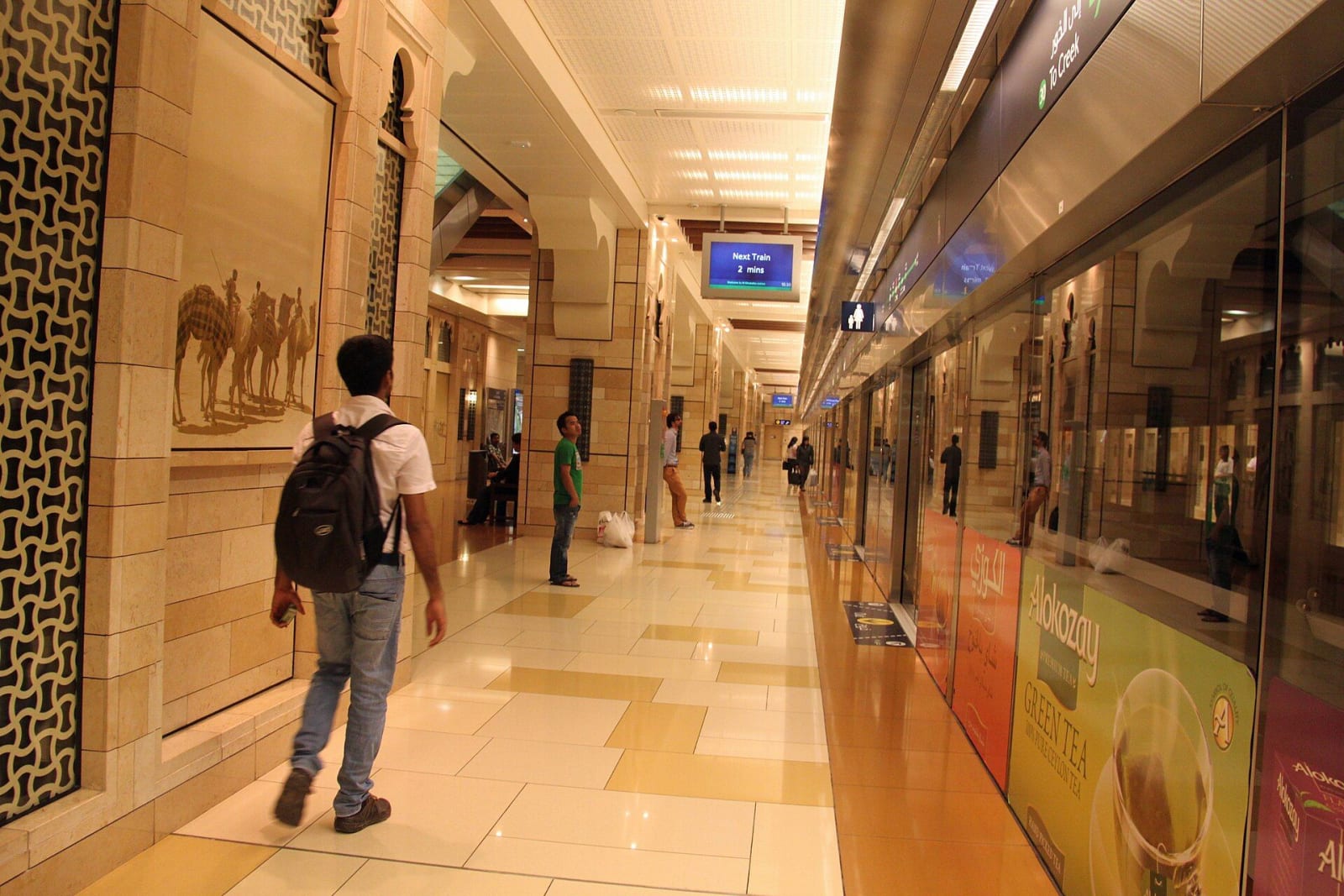
There's a assumption floating around the passenger transport industry right now that's worth challenging directly: that a national rail network is bad news for bus and chauffeur operators. It's an understandable reaction. A train that can move people between cities faster and cheaper than a car naturally sounds like competition. But look closely at how Etihad Rail is actually describing its own project, and at what similar rail rollouts have done to ground transport demand elsewhere, and a very different picture emerges.
Etihad Rail itself frames passenger rail as expanding transport choice, not replacing existing travel. And the partnerships already announced around the network, covering taxis, limousines, buses, journey planning, and first and last mile services, tell you exactly where the company expects most of the actual demand growth to happen. This article makes the case that Etihad Rail won't shrink the bus and chauffeur business. It could create one of the largest first and last mile transport markets the UAE has seen.
The old model versus the emerging one
To understand why this shift is actually good news for transport operators, it helps to be precise about what's changing.
The old model looks like this: a passenger transport company picks up a customer, drives them 150 to 300 kilometres between emirates, and drops them off. One vehicle, one driver, the entire distance, start to finish. This is the model the industry has been built around for decades, and it's the model most operators still think in terms of by default.
The emerging model looks different: a passenger transport company handles the pickup, brings the customer to an Etihad Rail station, the train covers the long middle distance, and another pre arranged vehicle handles the final leg to the actual destination. The total distance travelled by road drops significantly. The total number of vehicle trips required does not.
That last point is the one worth sitting with. A single long distance trip becomes two shorter trips. From a transport company's perspective, two shorter trips aren't automatically worse business than one long trip, they're just a different shape of business, and in several ways, a more efficient one.
Why fleet economics actually improve under this model
Consider a 13 seater vehicle that currently spends several hours a day travelling long distances between emirates on a handful of scheduled trips. Under a station feeder model, that same vehicle could instead run multiple short rotations around one station throughout the day, serving different groups of passengers connecting to and from different trains.
This changes the underlying economics in a real way. Shorter trips mean less wear per trip, more predictable fuel consumption, and the ability to serve more distinct customers with the same vehicle and driver in a working day. A vehicle tied up for three hours on one long distance run generates revenue from one booking. The same vehicle running six 30 minute station rotations can potentially generate revenue from six different bookings, each with its own margin.
This doesn't mean every long distance route disappears, some customers will always prefer a single vehicle for the entire journey, particularly for small groups, specific luggage needs, or point to point convenience that rail can't match. But the balance of where the volume sits is shifting, and the operators who see this early can restructure their fleet mix and route planning to match where the actual growth is happening.
Who actually needs first and last mile service
The range of customers who need to get to and from a rail station, rather than compete with the train, is considerably broader than it might first appear.
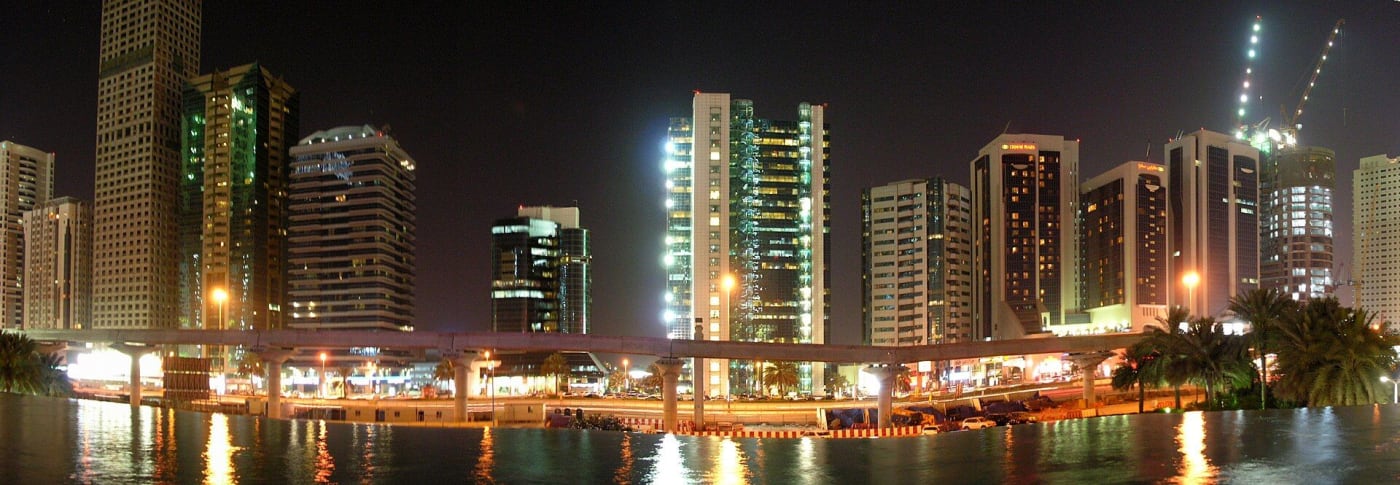
Corporate employees are an obvious starting point, particularly companies with offices near a station on one end and staff living near a different station on the other, creating a natural daily feeder pattern that can be contracted as a recurring service. Tourists represent a significant and growing category as more stations open, since visitors moving between Abu Dhabi, Dubai, and other emirates for sightseeing are exactly the kind of traveler who benefits from a comfortable rail segment bookended by convenient local transport.
Hotels sit at a natural intersection point for this demand, since guests arriving by rail need transport to their accommodation, and hotels that offer a reliable, branded transfer service tied to train arrivals create a better guest experience than leaving visitors to arrange their own onward transport. Airports connect into this network in an important way too, since travelers arriving by air and continuing their journey by rail, or vice versa, need a seamless local transfer between the two.
Universities and schools with commuter students living near a station represent a specific but meaningful segment, particularly for institutions in areas that become newly accessible once a nearby station opens. Events, whether business conferences, exhibitions, or large public gatherings, generate concentrated, short term surges in station to venue demand that a well organized transport operator can serve profitably on a per event basis. Remote industrial sites, particularly those in areas where Etihad Rail's freight and passenger infrastructure already runs, create recurring workforce transport opportunities that align naturally with a station's location.
What this means for customer value
For the passengers themselves, this shift is a genuine improvement in most cases. A traveler moving between Dubai and Abu Dhabi no longer needs to book a vehicle for the entire two to three hour journey, sitting in whatever traffic exists on the day. Instead, they get a short, predictable local transfer, a comfortable rail segment for the bulk of the distance, and another short transfer at the destination.
This is a better experience for most travelers, more comfortable, generally faster end to end once road traffic is accounted for, and considerably less tiring than a long single vehicle journey. Transport companies that build their service around delivering this combined experience well, rather than trying to preserve the old single vehicle model, are giving their customers something genuinely better.
Building toward multi leg journey management
The long term direction this points toward is transport companies managing complete journeys rather than single legs. Instead of a customer booking a vehicle and separately figuring out their own rail travel, the eventual goal is a single booking that represents the full journey, vehicle to station, rail segment, vehicle from station, all coordinated and visible to the customer as one itinerary rather than three separate arrangements they have to manage themselves.
This is a genuinely differentiated service to offer. Most travelers today, if they wanted to combine rail with local transport, would need to book each segment separately, coordinate timing themselves, and hope the connections work. An operator who can offer this as one coordinated booking removes that friction entirely, and that convenience is worth paying for.
What other rail rollouts around the world suggest
This pattern isn't unique to the UAE. Wherever a new rail line has opened connecting major cities elsewhere in the world, ground transport around the stations it serves has tended to grow, not shrink, even as some long distance point to point trips declined. The reason is straightforward: a train station becomes a concentration point for movement, dozens or hundreds of people arriving and departing at predictable times, all needing a final connection to wherever they're actually going.
The operators who struggled in those markets were usually the ones who kept trying to compete directly with the train on the same long distance route it now served faster and cheaper. The ones who thrived were the ones who repositioned quickly around the stations themselves, building exactly the kind of feeder services this article describes. There's no reason to expect the UAE will play out differently, and the operators paying attention to that pattern now have a real head start over those who wait to see what happens before acting.
How TransLogix supports this direction
TransLogix is built around connecting the full journey a passenger takes, not just a single vehicle assignment in isolation. As rail becomes part of more UAE journeys, the natural extension is representing a booking as vehicle, then rail, then vehicle again, all under one itinerary the customer can see and rely on, with vehicle and driver assignment on both ends handled with the same conflict checking and scheduling reliability as any other trip.
For operators building feeder services around Etihad Rail stations today, this means the recurring contracts, scheduled vehicle assignments, and invoicing for these routes can live in the same system as the rest of the business, rather than becoming a separate, harder to manage category of work.
The bottom line
Etihad Rail's passenger network isn't the end of the bus and chauffeur business in the UAE. It's the beginning of a first and last mile market that didn't exist at this scale before, built around every station the network opens.
The operators who spend the next year worrying about competing with the train will miss the much larger opportunity sitting right next to it. The ones who start building feeder routes now, while most of the industry is still thinking in terms of the old point to point model, will own this market before anyone else realizes how large it actually is.
Building a reliable feeder service around a station comes down to one operational question: how to plan a shuttle connection passengers can actually count on when a train arrives on its own schedule.
Want to see how TransLogix handles this for your fleet?